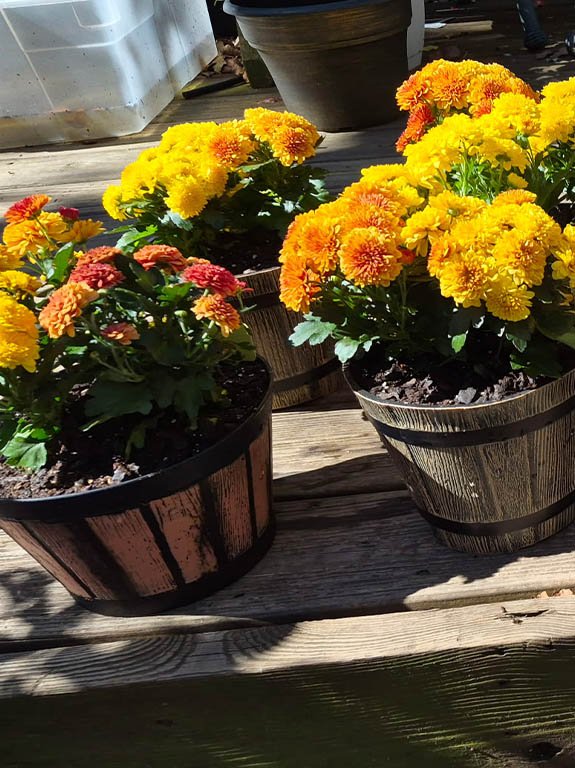
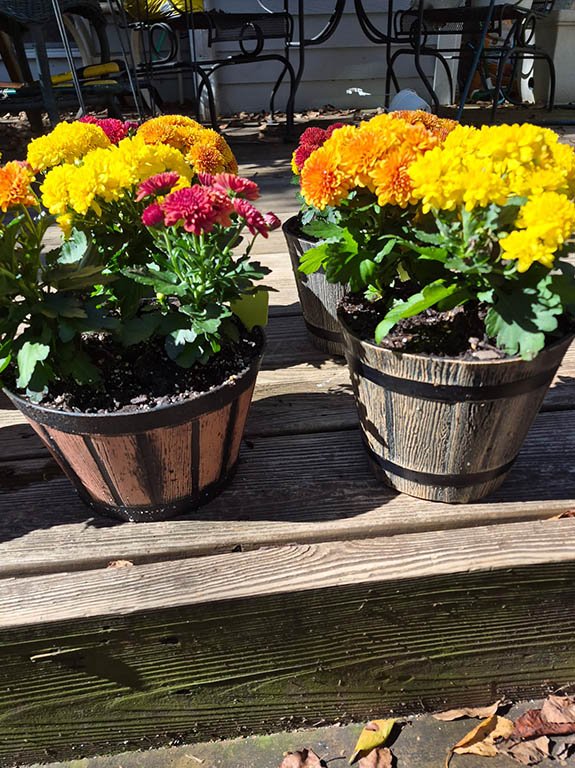
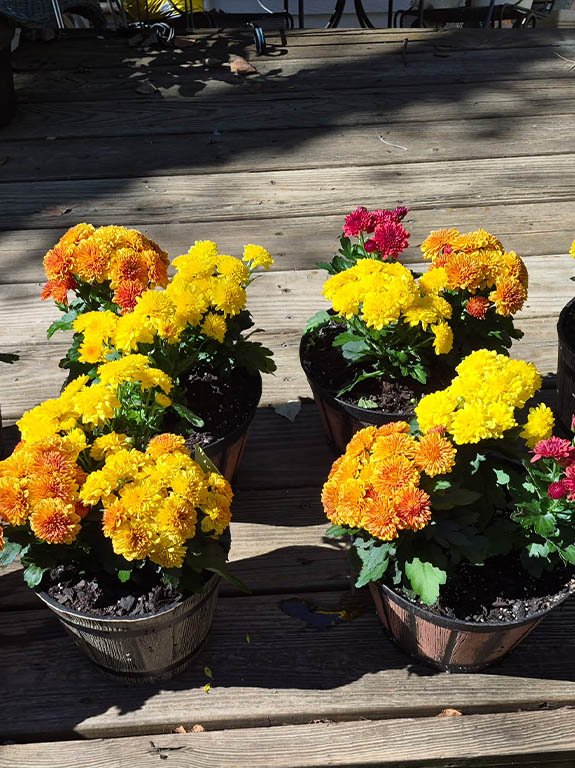
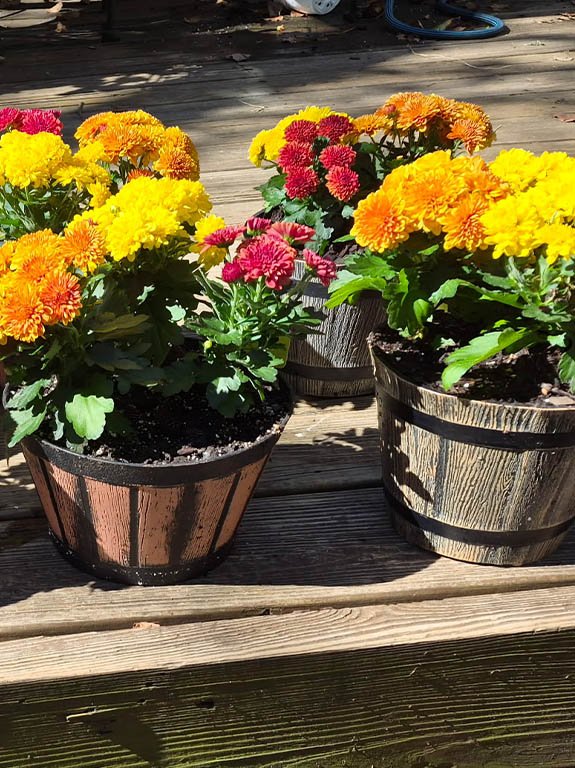
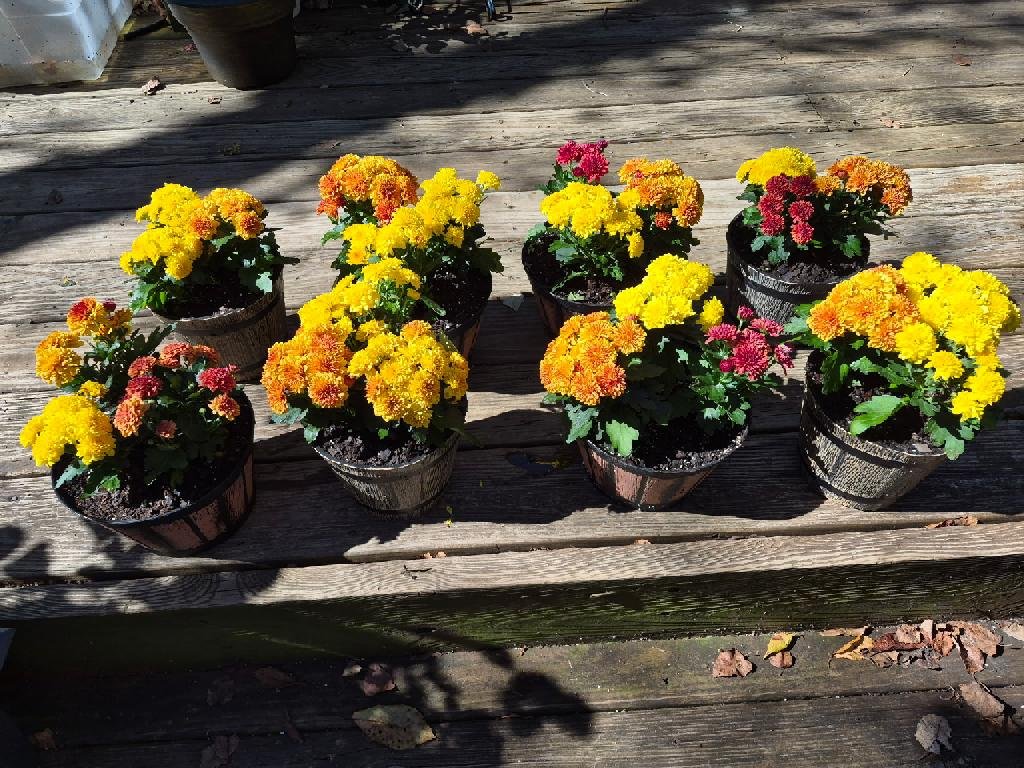
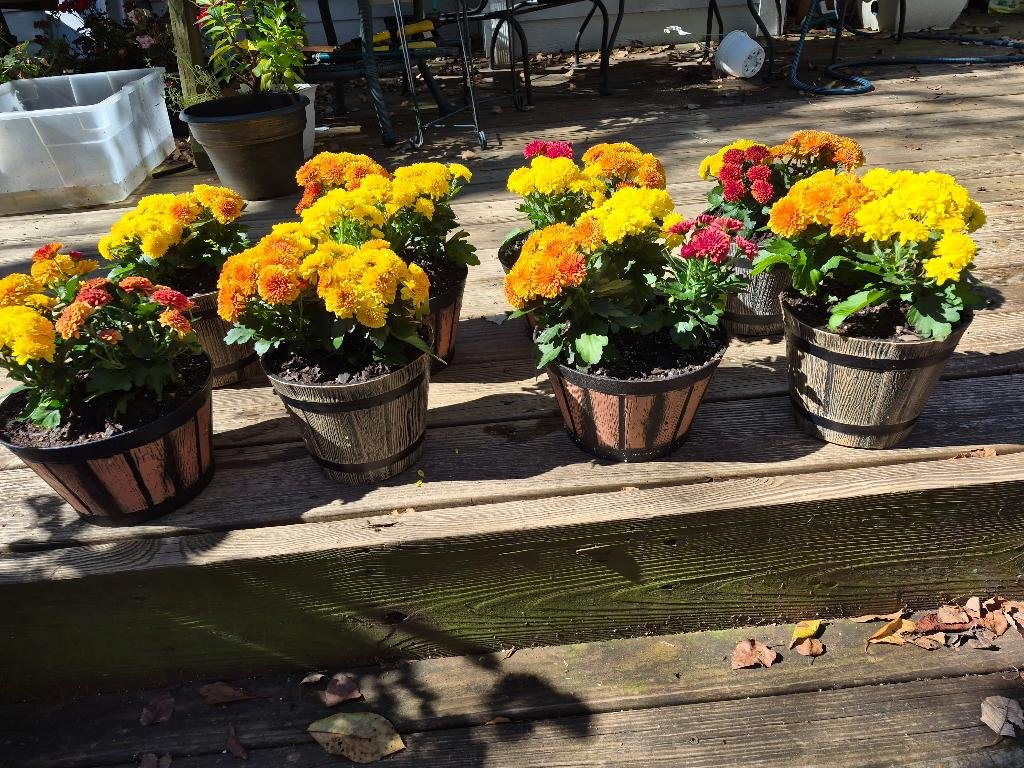
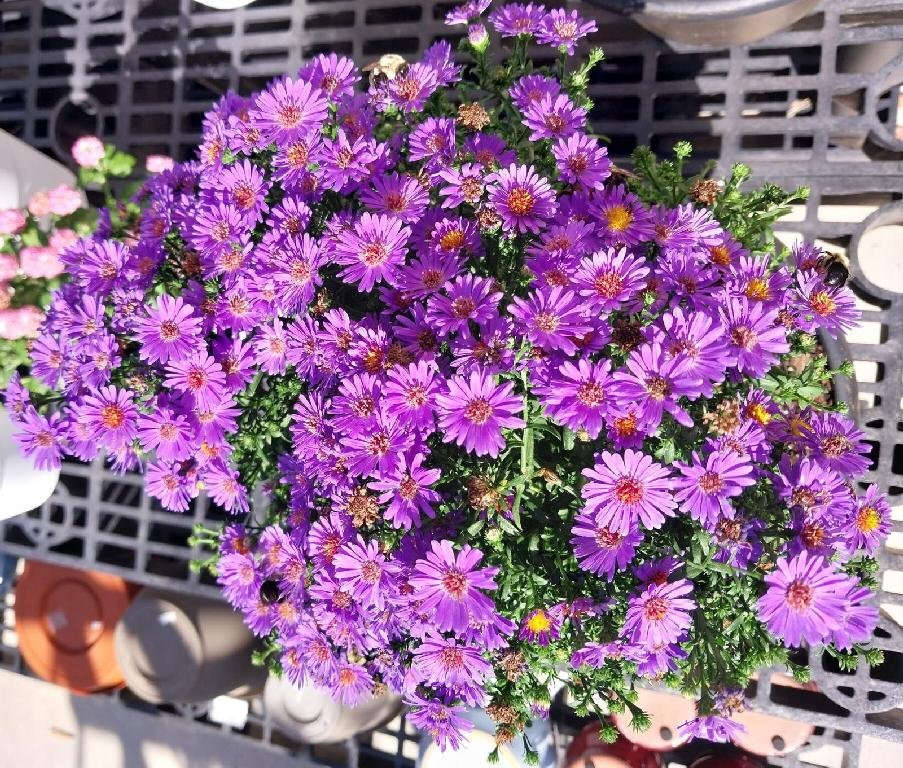
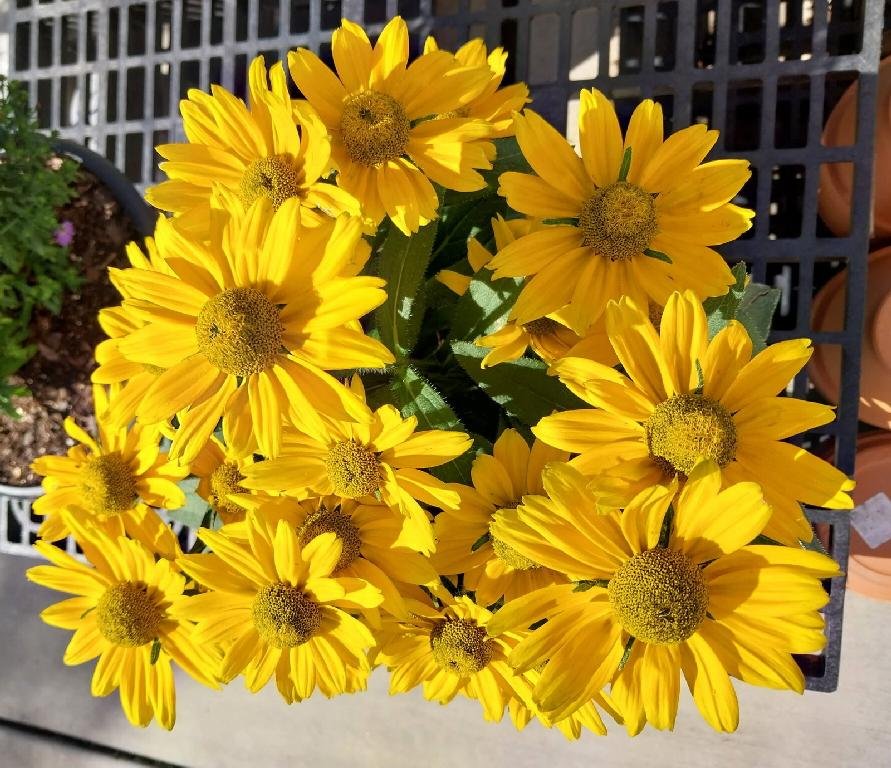
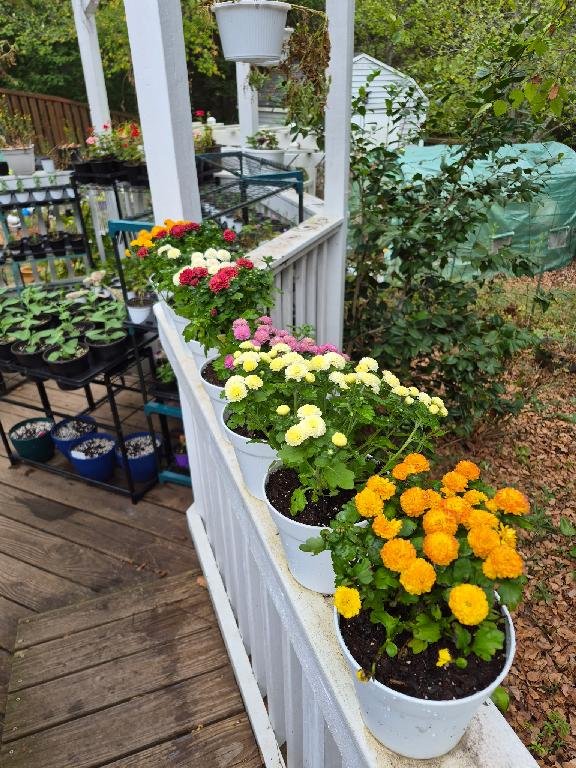
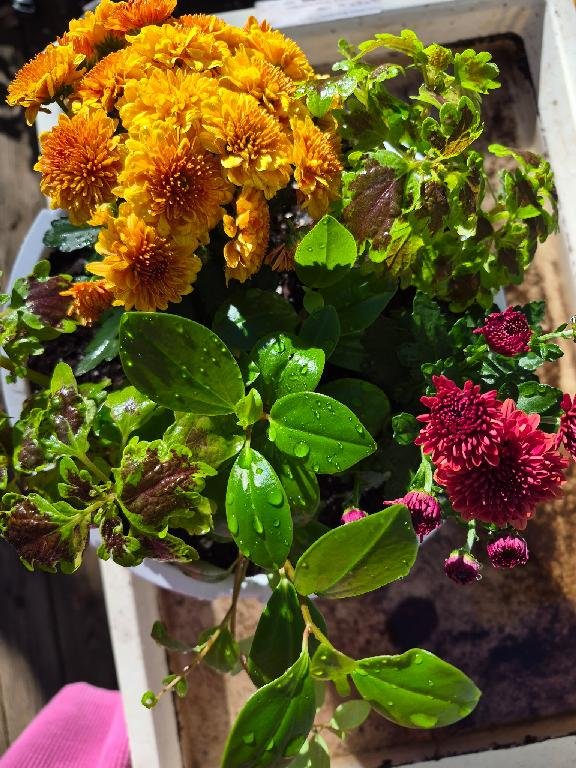
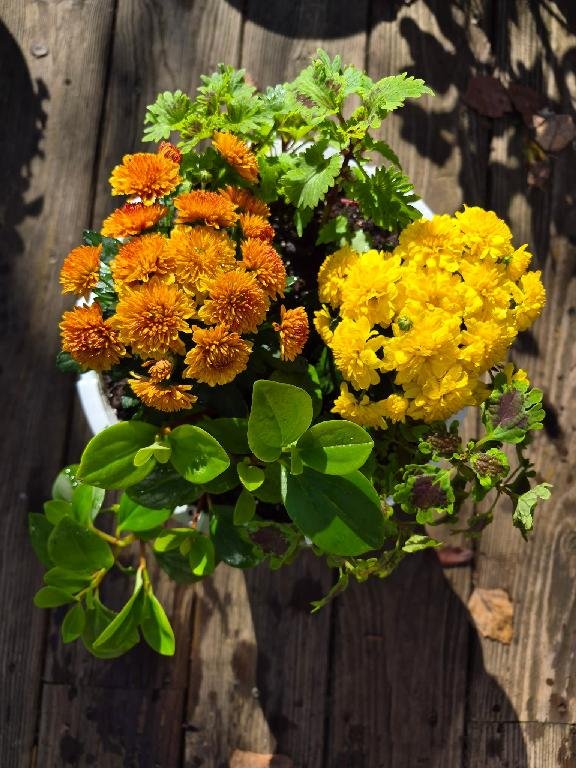
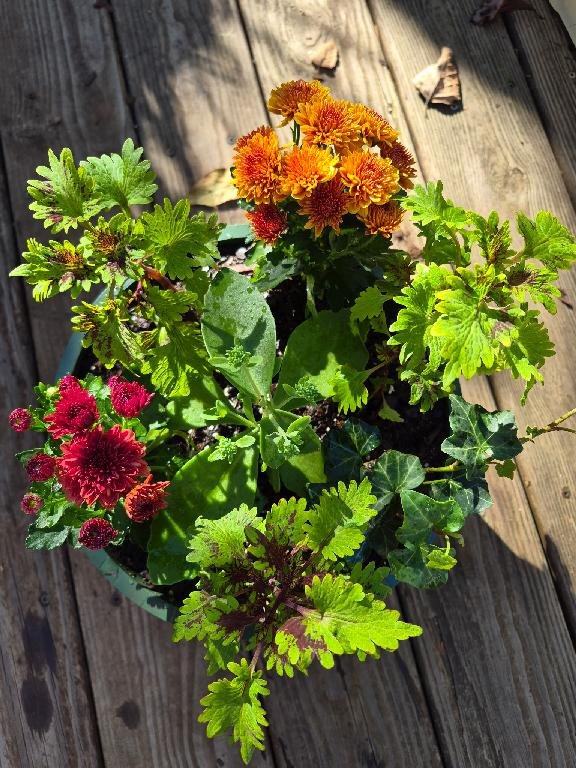
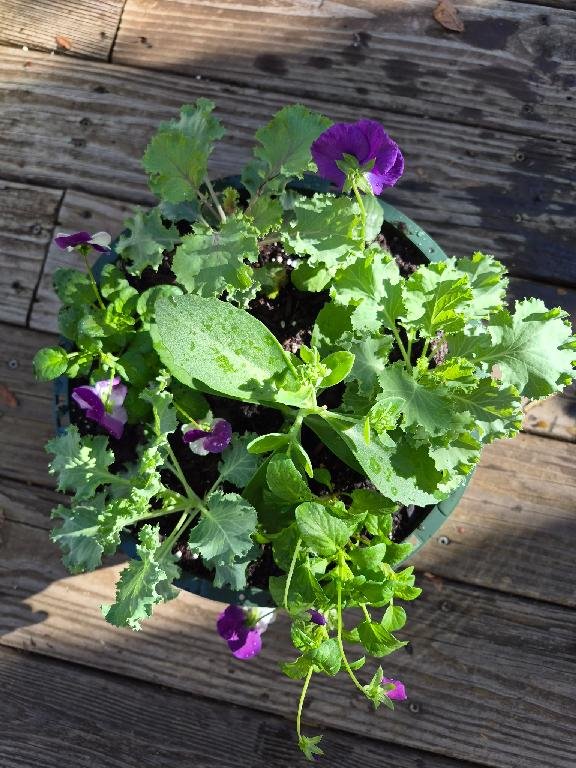
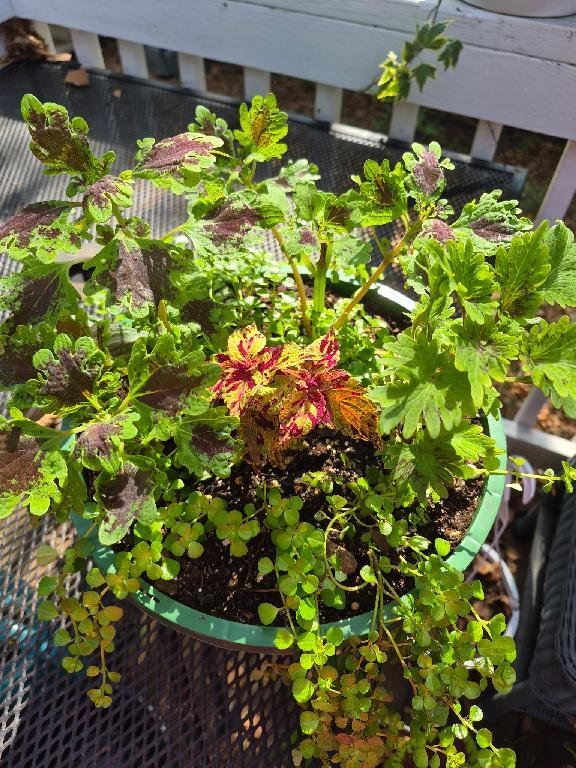
These little planters are sure to spruce up your out door table and patio.
Brush away all the dead leaves and make room for little bits of color here and there.

Juniperus procumbens ‘Nana’ is a highly popular, low-growing evergreen conifer prized for its versatility in landscaping and bonsai. It forms a dense, compact mat of prickly, blue-green needle-like foliage that spreads horizontally
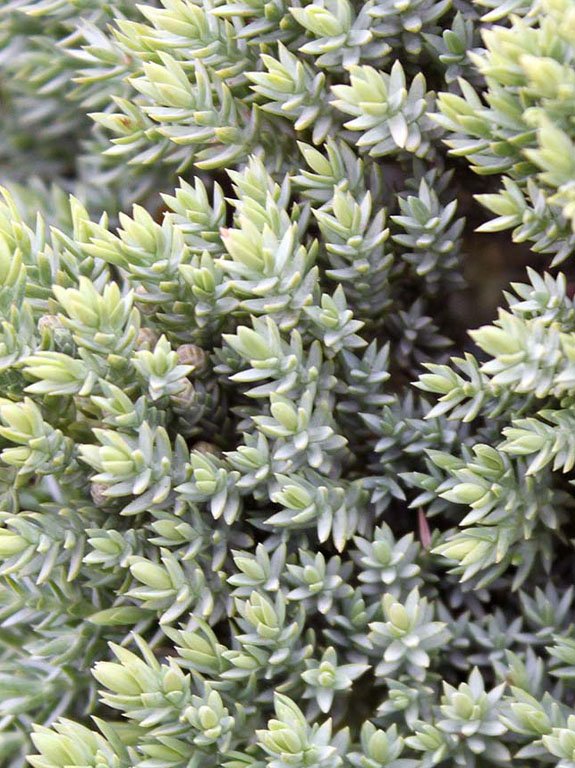
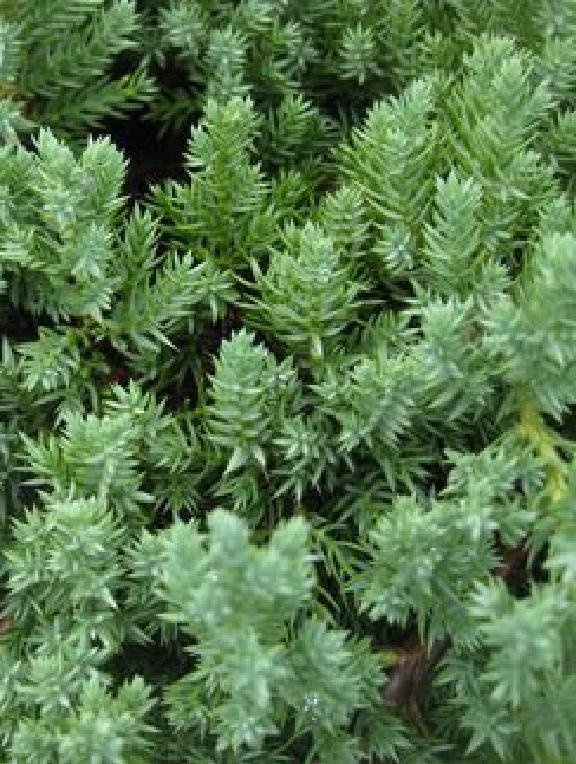
Growth Habit: A slow-growing, prostrate shrub that forms a dense, sprawling matt.
The creeping branches tend to layer and twist, flowing elegantly over obstacles like rocks or walls.
It typically reaches a height of 6 to 12 inches and can spread 4 to 6 feet wide over time.
Foliage: The needle-like leaves are short, spiny, and a striking blue-green color.
During winter months, the foliage often adapts a distinct purplish or bronze hue.
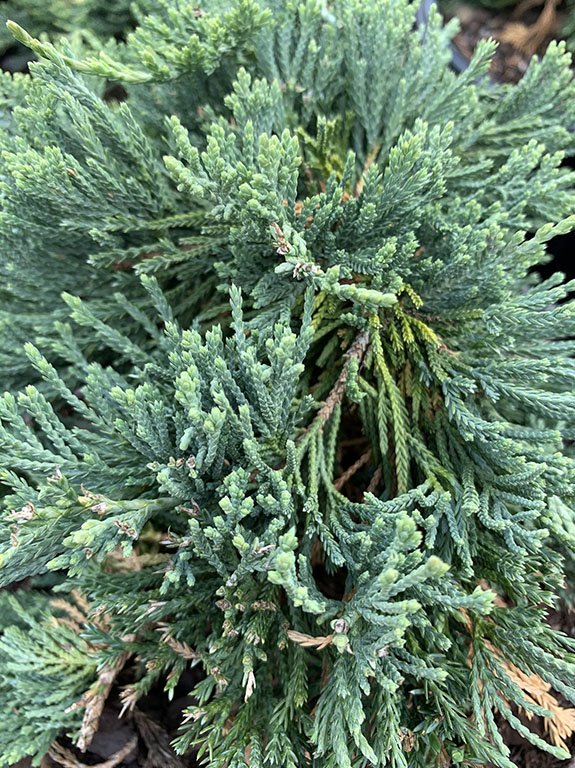
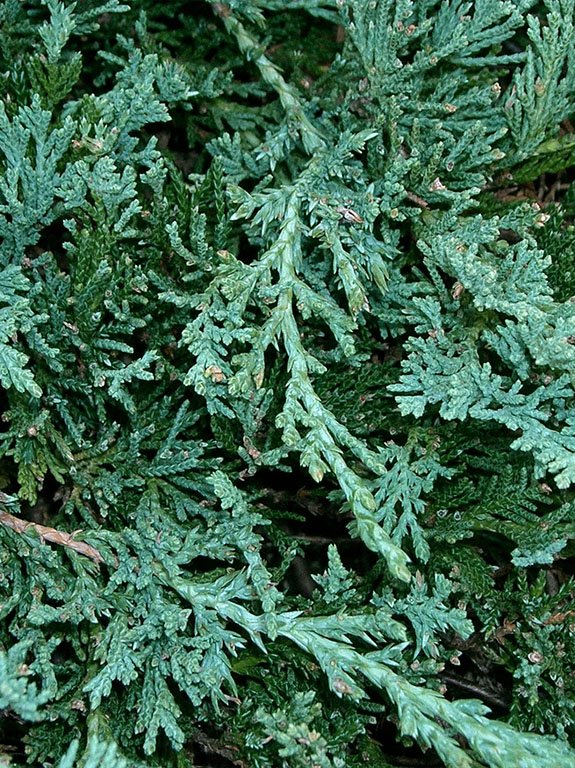
Appearance: Features dense, trailing branches covered in intense silver-blue foliage.
In the winter, the needles shift to a unique purplish or plum tone.
As a female cultivar, it produces fleshy, blue-black seed cones that resemble berries.
Size: It grows very flat, staying only 4 to 6 inches tall,
but spreads rapidly to cover a width of 6 to 8 feet (sometimes reaching up to 10 feet).
Hardiness: Highly adaptable and cold-hardy across USDA Zones 3 through 9.
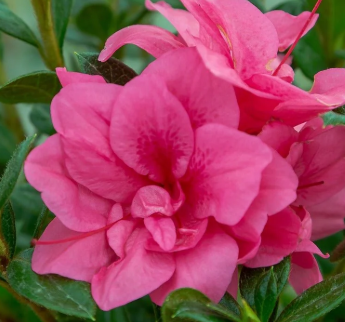
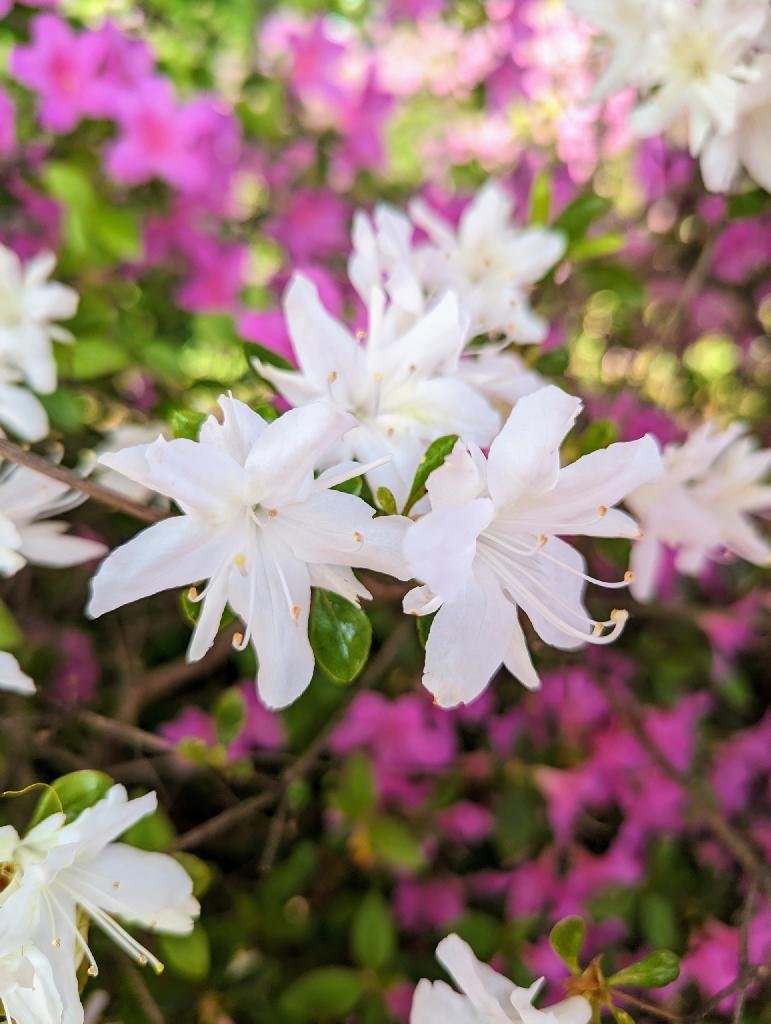
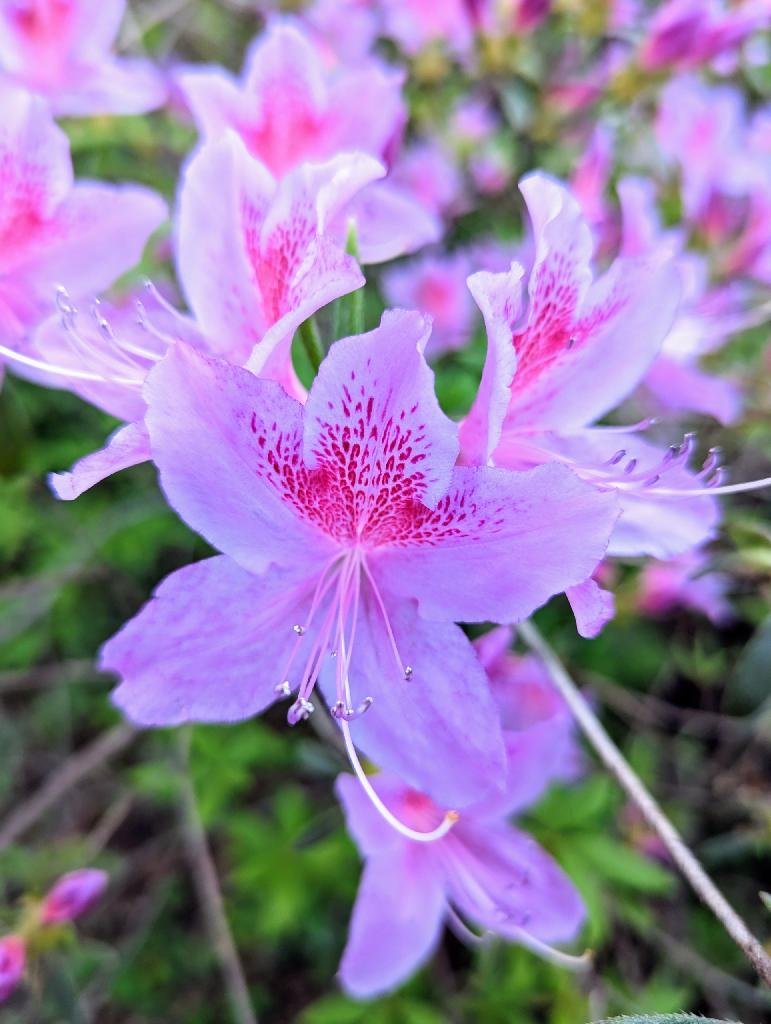
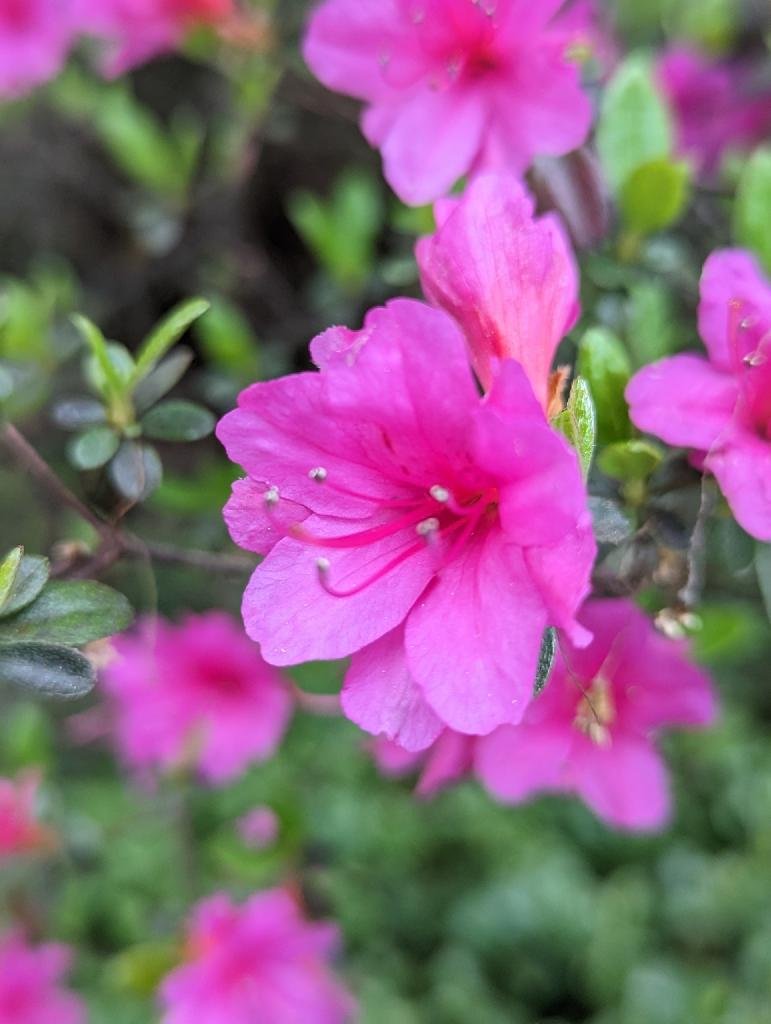
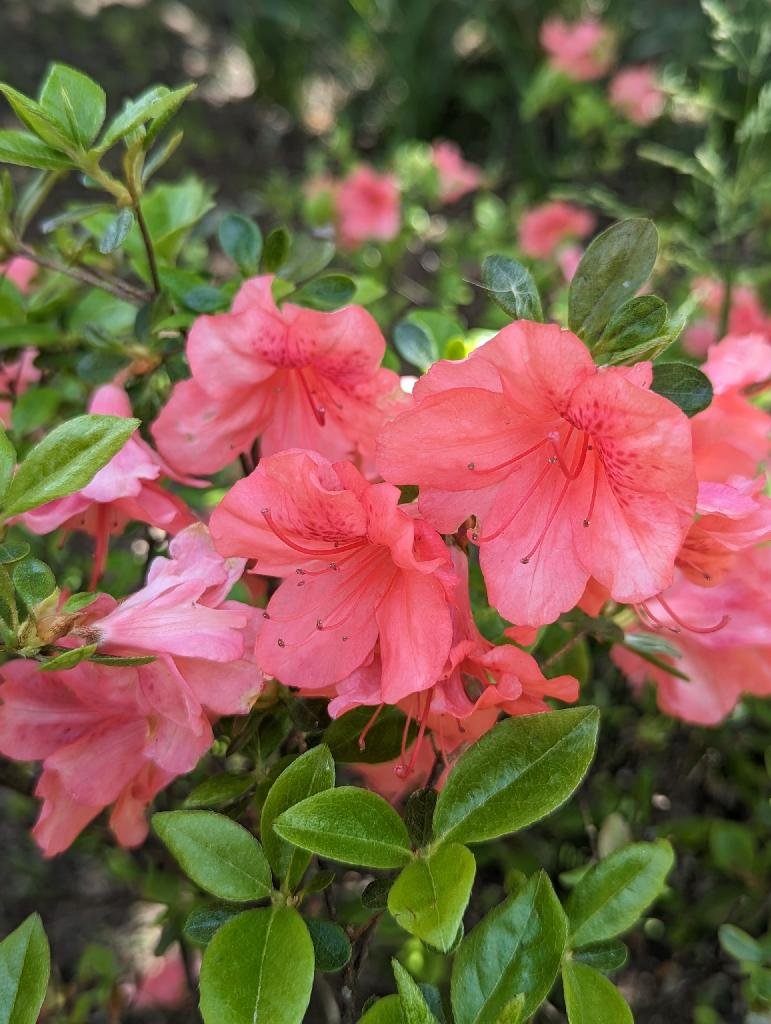
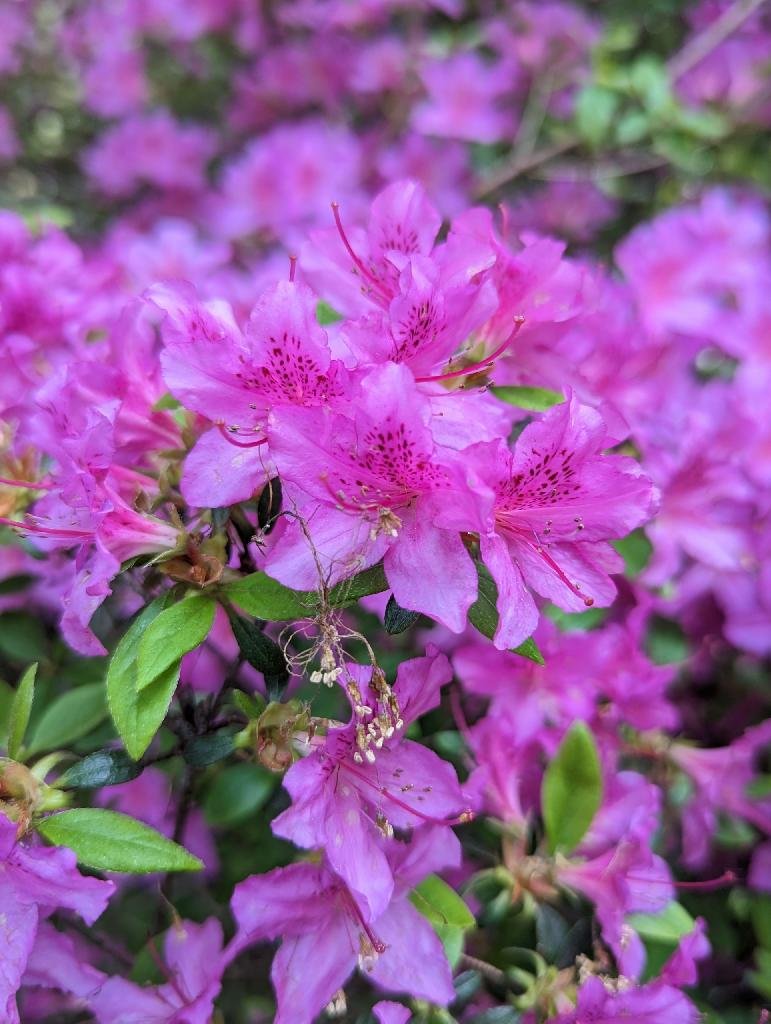
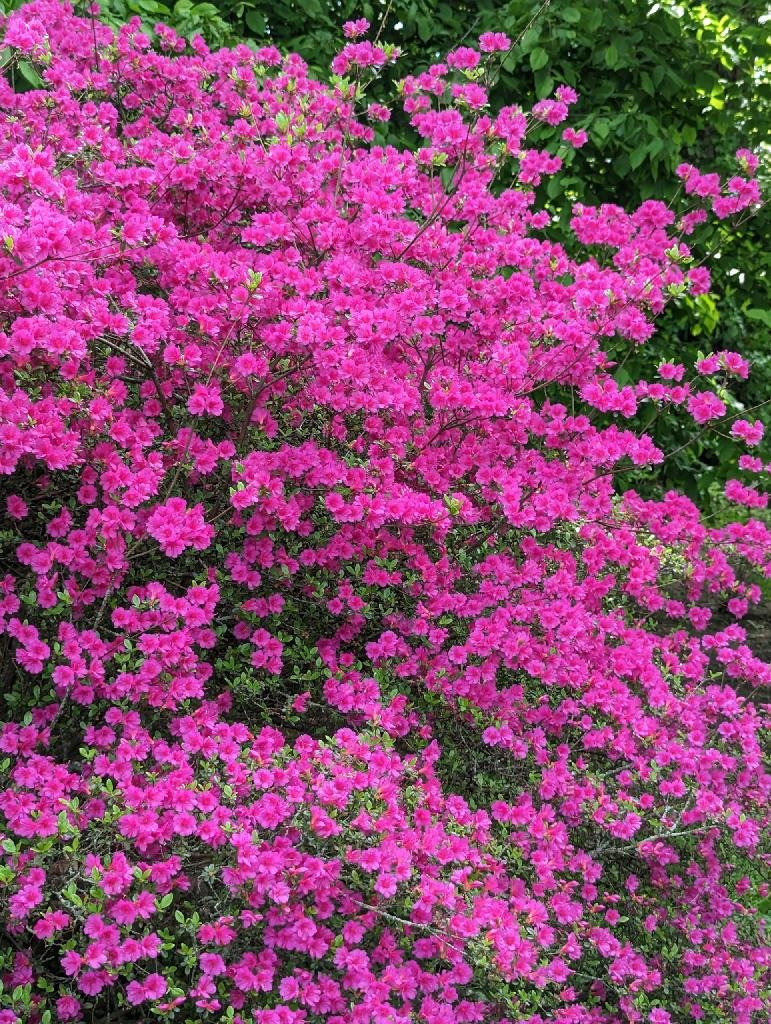
Azaleas bloom profusely in spring (and sometimes rebloom in fall). They feature trumpet-shaped or funnel-shaped blossoms in shades of pink, red, purple and white, thriving best in partial shade and acidic, well-draining soil
The ideal planting window for Azaleas grown in this area (zone 7b) is fall (Mid-September to October). This gives the shrubs time to establish roots in the milder weather with less heat stress and while the soil is warm.
Quick Planting tips for Zone 7 b: Pick a spot with filtered morning sun and afternoon shade. Ensure soil is loose, rich, and highly acidic with a pH between 4.5 and 6.0. Keep the top of the root ball slightly above the ground level, as azaleas have shallow roots that rot if buried too deep. Add a 2- to 3-inch layer of pine straw or pine bark to keep roots moist and cool all season.
So they need warm temperatures to grow well. In climates that experiences freezing winter temperatures, you should bring them indoors during winter.
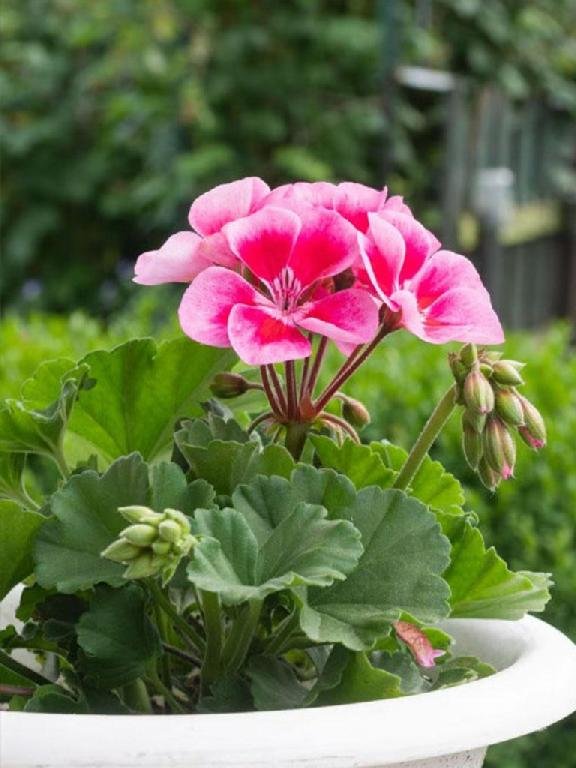
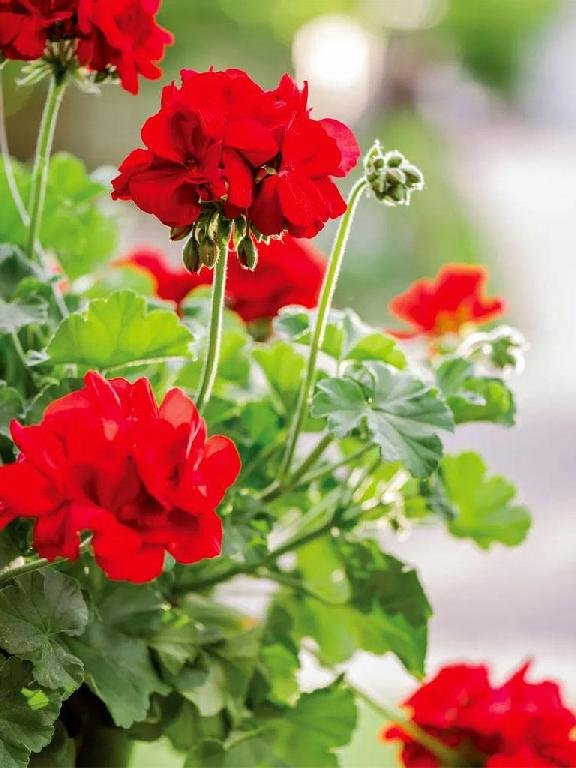
Zonal geraniums are named for the different zones of color in their leaves.
The flowers are usually white, pink, salmon, or red.
Geraniums grow best in full sun but will tolerate some shade, especially at the hottest part of the day.
They should get 4 to 8 hours of direct sunlight per day. In the recent scorching heat of South Carolina, it’s best to give them a bit of afternoon shade. When growing indoors, geraniums need lots of light for blooming but will tolerate moderate light conditions.
For outdoor plants, water geraniums when the top 1 to 2 inches of soil is dry. In hot weather, outdoor potted plants may need daily watering. Geraniums tolerate dry soil better than wet, so avoid overwatering.
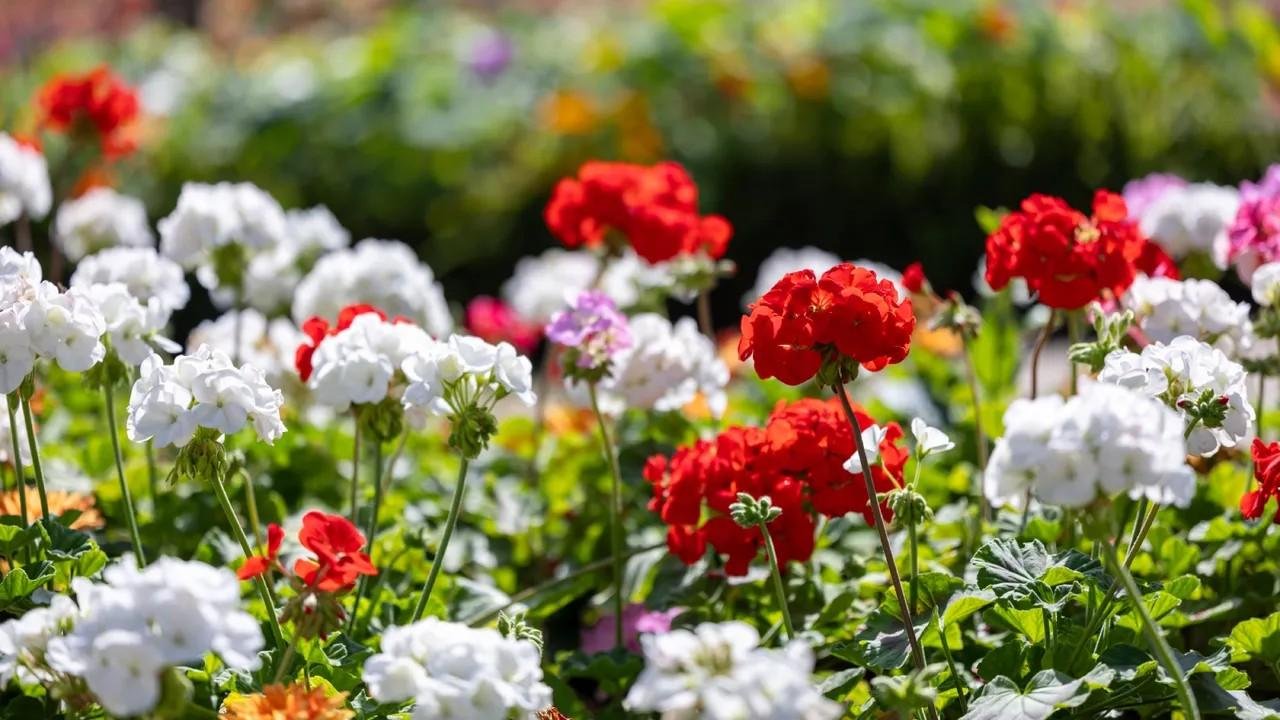
If growing geraniums indoors, water deeply once the soil feels dry.
Geraniums require very little maintenance to grow well. Deadheading the spent flowers will encourage new blooms.
Here are a few ideas for caring for patio plants during excessive rain and extreme heat.
Water can be the enemy:
Ensure your containers have good drainage. Check that the drainage holes are open and not blocked by roots or soil. Use a stick or long thin tool and poke up from the bottom of the pot to make sure the drainage is open.
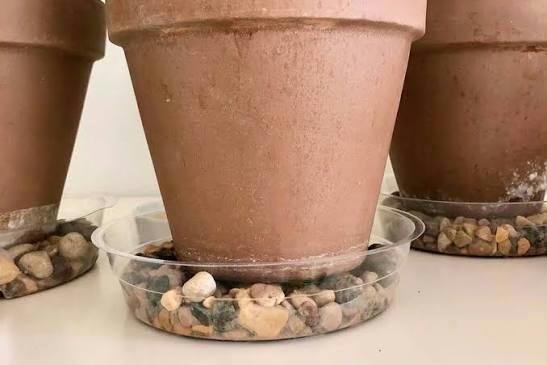
Elevate the pots to allow water to drain and prevent it from pooling at the bottom. Excessive water will drown the root system. Use small stones or rocks to ensure the water can escape the pot. For large pots or planters use bricks or stones to temporarily raise the pot until it has drained thoroughly.
Empty saucers or catch pans after a heavy rain and don’t let the plants sit in water.
Excessive heat & sun can be detrimental to plants:
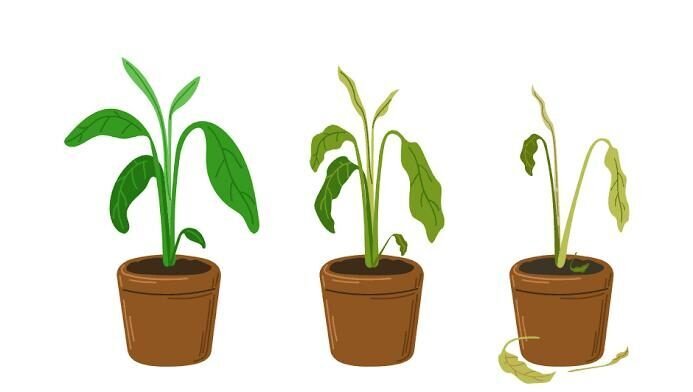
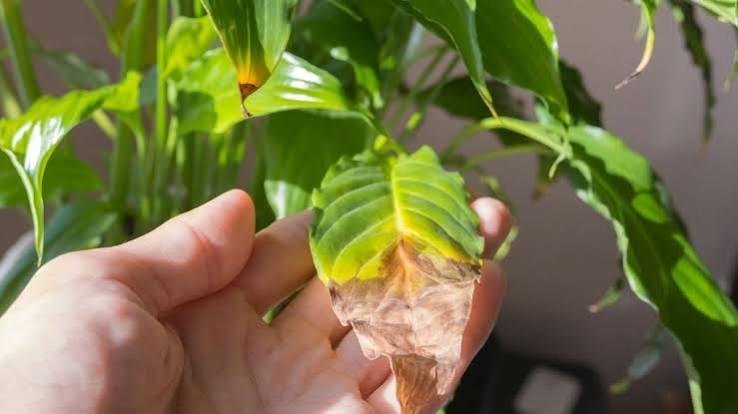
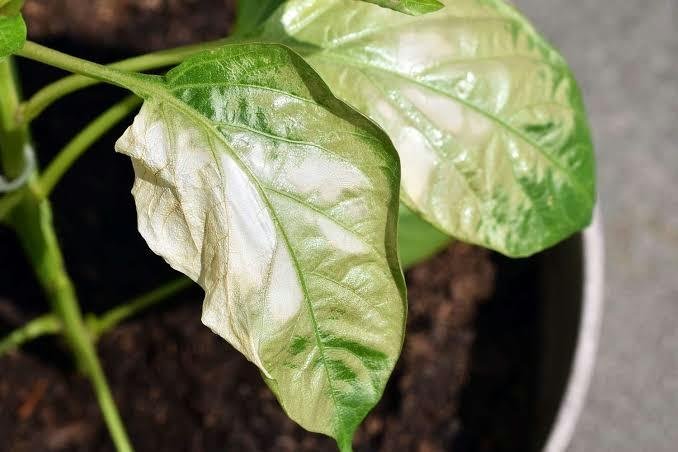
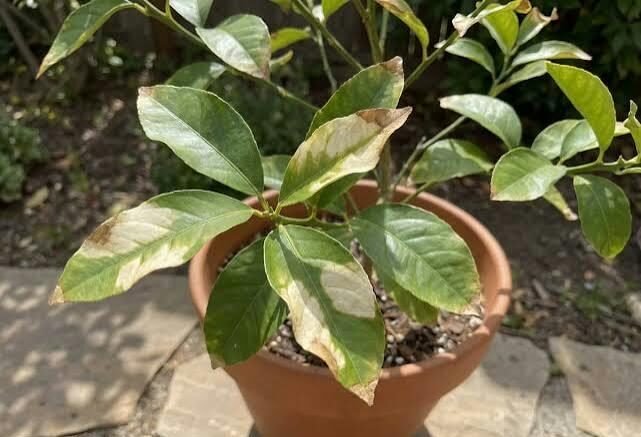
Provide temporary shade. Move pots to a covered area during the hottest part of the day. Get them out of the direct sun as much as possible. Move planters under the patio table or to a shaded corner of the deck. Even sun loving plants need protection during extreme heat and scorching sun.
Patio plants will dry out much faster in the extreme heat and will need more frequent watering than normal. Check the moisture level frequently and adjust. When watering, be sure to water deeply. Set the plant in a make shift catch pan and let it soak up water from the bottom. This ensure the roots will get the water they need. On that note, see above for excessive water!
Remember: Plants growing in containers do not have the built in protection and endurance as the same plant growing in the ground!
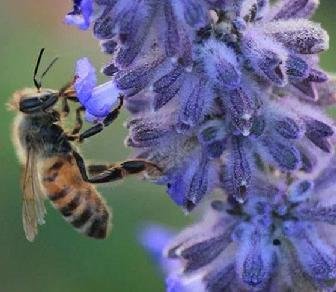
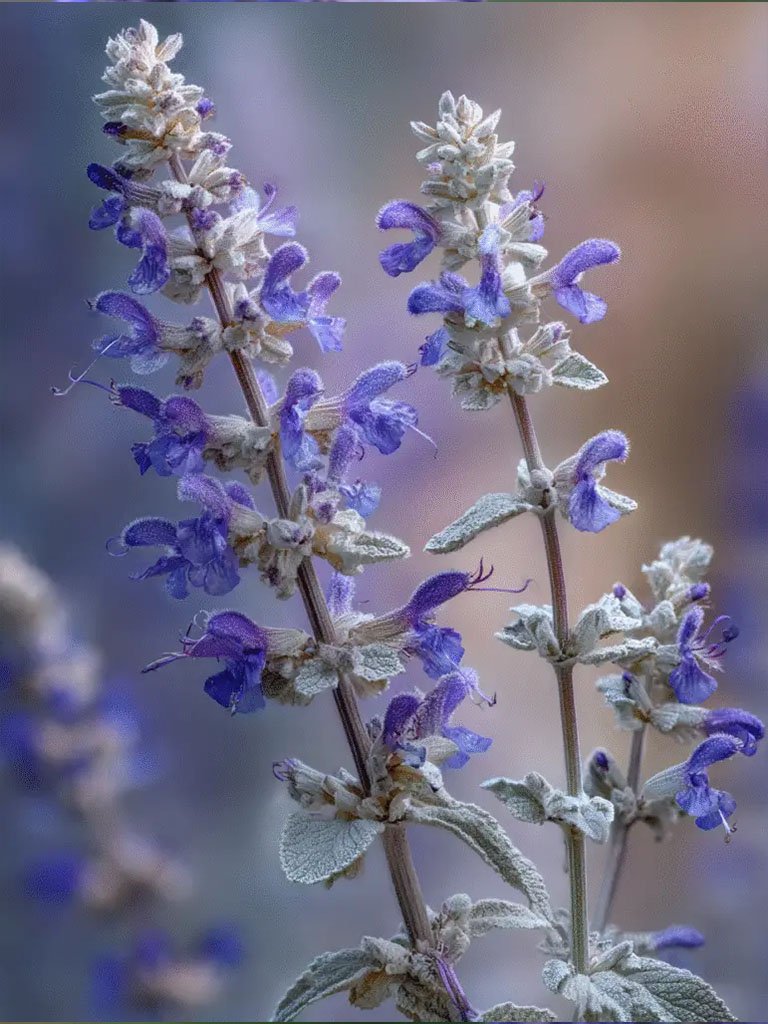
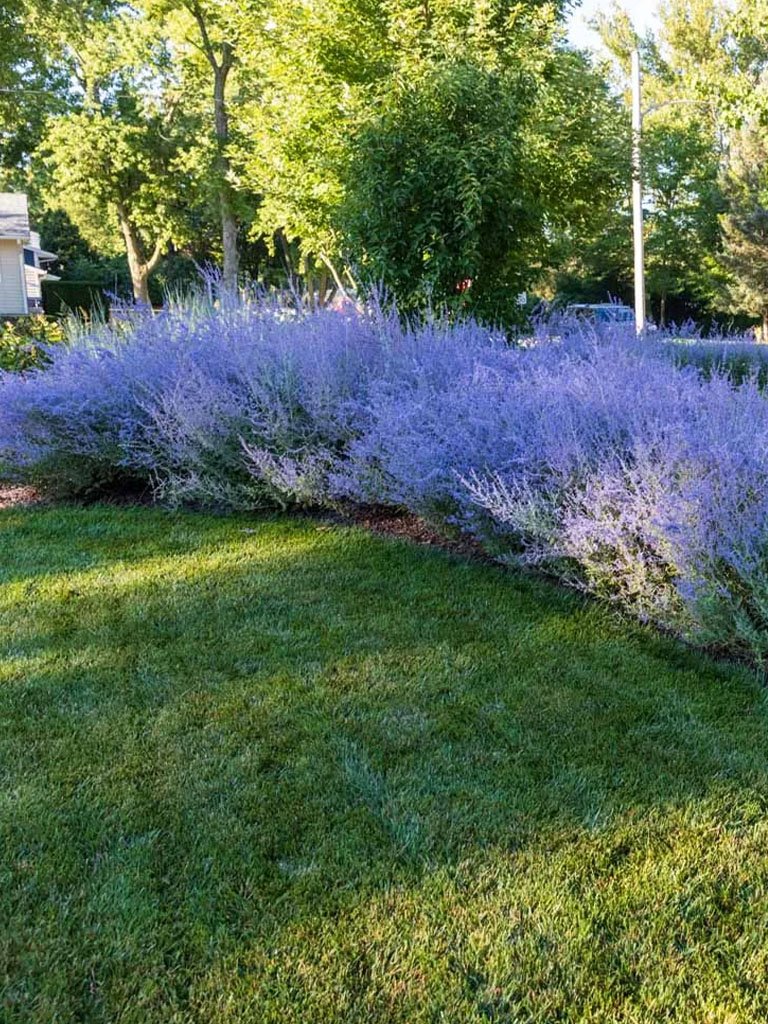
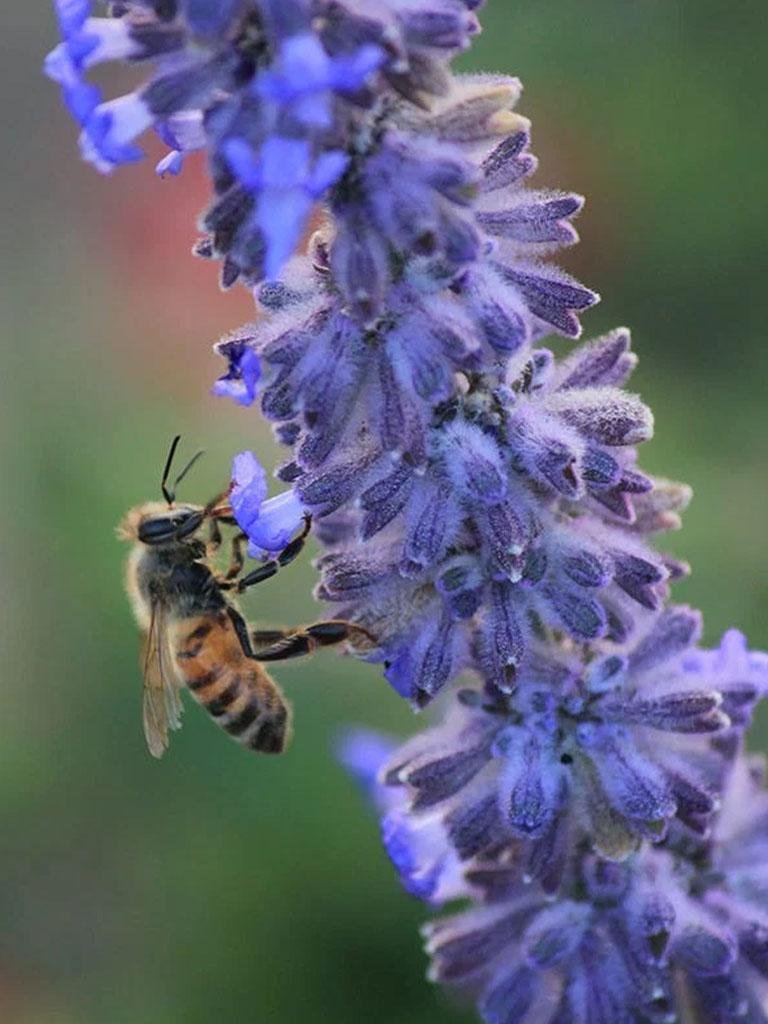
Russian Sage is a tough, woody-based perennial prized for its silvery-gray stems and clouds of tiny lavender-blue flowers that bloom from mid-summer through fall. Growing 3 to 5 feet tall, it thrives in hot, dry climates and is exceptionally drought-tolerant once established
Watering: Water young plants regularly, but taper off once roots take hold. Established plants need only occasional water.
Pruning: Cut the plant back to about 12 to 18 inches above the ground in late winter or early spring just as new growth emerges.
Fertilizing: Rarely needed; rich soil or extra fertilizer causes weak, sprawling growth
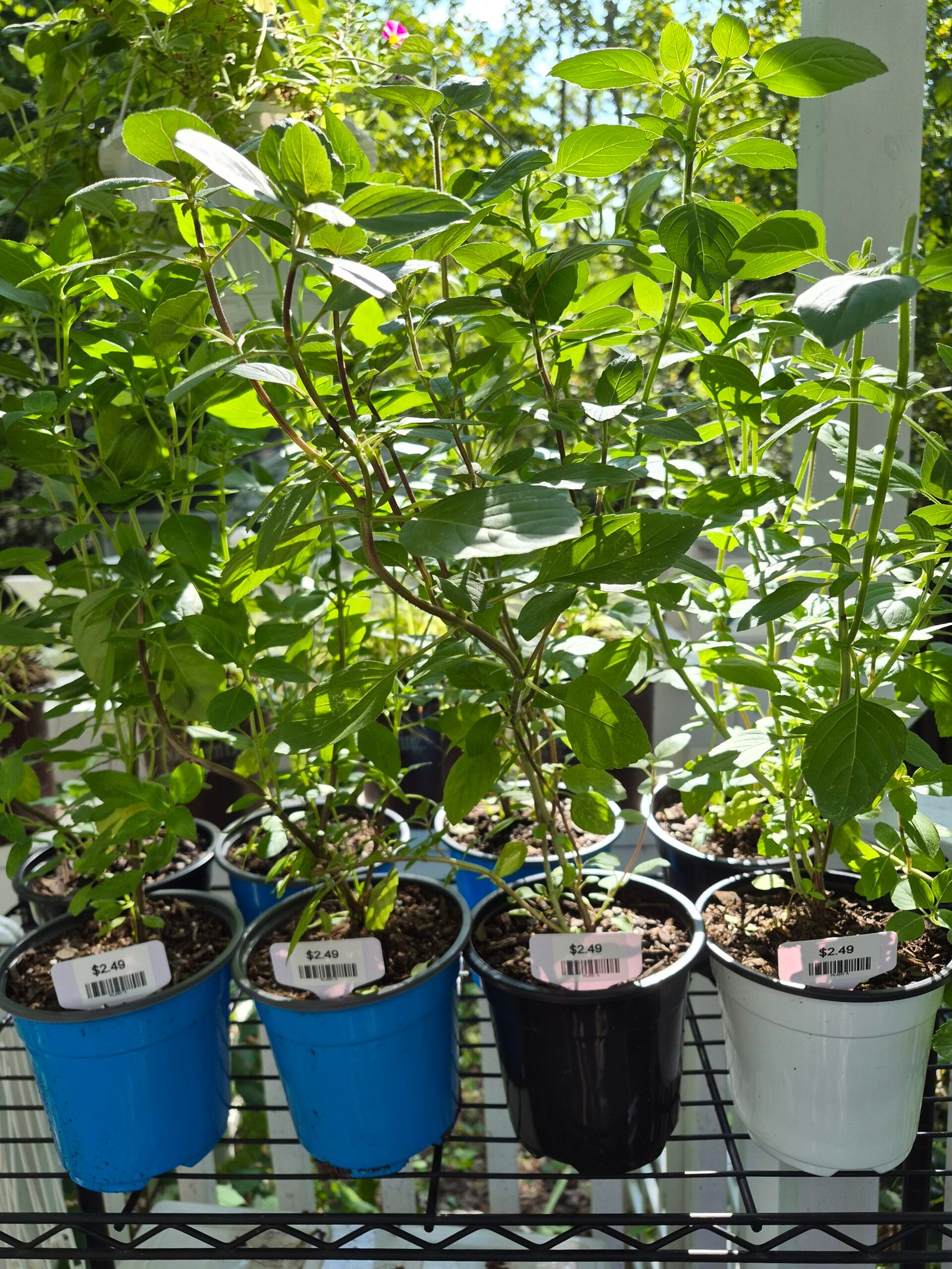
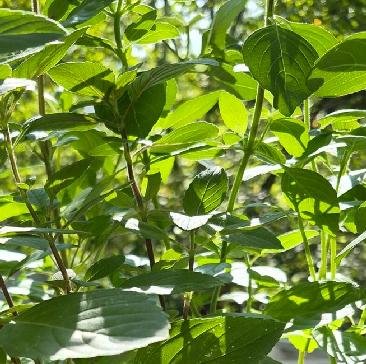
Basil (Ocimum basilicum) is a popular aromatic annual herb belonging to the mint family (Lamiaceae),
native to tropical regions of Asia and Africa.
Known as the “king of herbs,” it features a sweet,
pungent, and slightly minty-licorice flavor essential to global cuisines,
traditional medicine, and home gardening.